
Don't miss interesting news
Keywords have long set the direction of any content. In times of all these algorithmic upheavals, their importance has not just not decreased — it has grown to new heights. Even in TikTok, where all the magic seems to be based solely on visuals, keywords play a significant role. If you want TikTok promotion to really give a boost, and the video to work in both search and recommendations, you need to combine everything: content, presentation, keywords, description, text, and sound.

If you think TikTok SEO works the same way as Google, forget it. At the end of 2025, the platform finally switched to full context analysis. The algorithm reads the voice via ASR, recognizes the text in the frame using OCR, compares it with the description via NLP, and ranks the video within the Interest Graph. After the Search and Content Understanding updates, the service confirmed that all these signals directly affect impressions.
Google uses a simple formula: text → keyword → search.
TT listens to what you say. Not intonation, not emotion, but words. Any mentioned concept becomes a signal for the system. Say “TikTok views boost”? The algorithm will record it, add it to the semantic set of the video and save it in the category of interest.
ASR works even without subtitles. The service itself takes a transcript from the voice and compares it with the description, hashtags and text in the frame. Therefore, the voice is one of the strongest SEO signals: what you say will determine the topic of the video and the direction of your promotion on TikTok.
The platform doesn’t just hear. The visuals have improved so much that the text in the video now catches not only the viewer, but also the algorithm. TikTok itself began to add automatic subtitles and timing for the text. Any signatures, tips, screenshots, insertions from notes, or even small words in the background — everything is recorded and analyzed.
OCR works around the clock: even on fast transitions or blurred fragments, the service has time to read words. If the text does not match what you say or write in the description, the video may become irrelevant.
In addition to the text in the frame, TikTok also analyzes the description itself. The service breaks it down into content, intention, and keywords — this is what NLP does. The algorithm reads what exactly you write, what topic you set, and what you hint at, and then compares it with what is heard and seen in the video.
For example, if you mention “TikTok monetization in Ukraine,” the algorithm immediately assigns the video to the appropriate segment and draws an audience to it. The platform has separate Interest clusters for income, authorship programs, view promotion, business, advertising, etc. If the description is disconnected from what is actually heard and seen, the video either flies off topic or gets smeared between several categories and loses the trajectory of TikTok promotion.
After analyzing all the signals, the video reaches a point where it is decided who to show it to. The algorithm compares everything: what is said, what is written in the description, what text is in the frame, how the viewer behaves, what topics he reacts to, what he watched before and what he skipped.
In essence, the Interest Graph attaches the video to a specific category of interest. It is this that determines not only the initial display, but also the further trajectory: whether the video will go to scale or get stuck in a microcluster with no chance of promotion.
TikTok determines the topic of the video not by one element, but by the totality of all signals. The voice, the text in the frame, the description, and the behavior of the viewers are combined into a single picture, which helps the platform understand what the video is about and who to show it to.
After the ambitions declared back in 2023 to become a full-fledged search engine, TikTok has now grown to this status. The service has ceased to be a viral vinaigrette feed that randomly threw anything on For You. The mechanics of recommendations have changed so that videos without keywords simply do not exist for search.
The service has pumped up the algorithm in all directions: it has increased the weight of descriptions and keywords, added Search Highlights, learned to automatically read text and voice, released SEO guides and integrated search with TikTok Shops. Now recommendations are based not only on user behavior, but also on their search intentions.
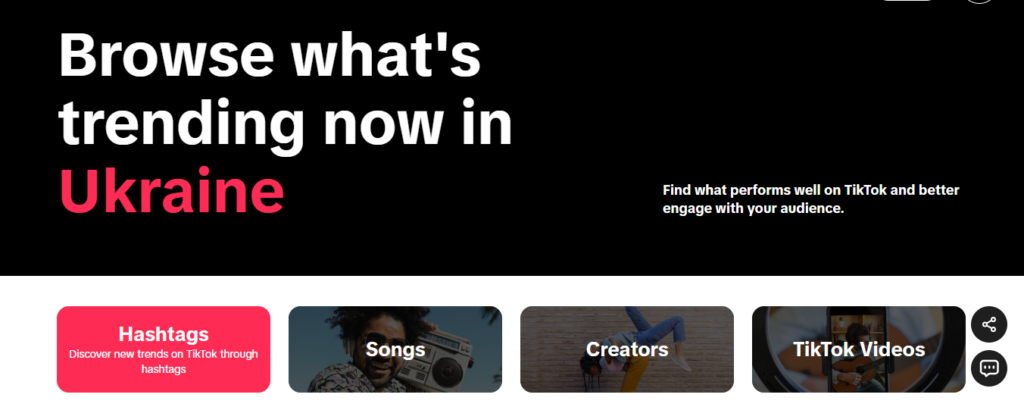
Today’s TT = search engine + recommendation engine at the same time. This means a few simple but strict rules:
Any key, even such as “TikTok views boost”, immediately ties the video to a specific topic. The algorithm throws it into the category of services, SMM or even gray methods – it all depends on the wording.
When you score on SEO, the service simply does not understand where to put you. If the key is irrelevant, the video flies into the wrong cluster. As a result, promotion on TikTok is reduced to zero. Everything is simple here: either you definitely fall into your topic, or you waste your budget, time and reach.
According to the new logic of 2025, SEO is not an option, but a must-have. However, many people continue to upload videos at random: without analysis, without keywords, without a normal description. This affects views and, even more so, TikTok monetization in Ukraine and beyond.
The opposite of ignoring keywords is the other extreme – stuffing the video with hashtags “just in case”. When 10-20 random tags are thrown in, the algorithm knocks down the cluster branch and confuses the topic. In contrast, up to five clear and relevant keywords really boost promotion in TikTok. Tag spam, like the complete absence of text signals, works against the author.
Added to this is another typical mistake – underestimating quality, format, and context. In TT, the “sell — buy” approach simply does not enter the algorithm, is read as an intrusive promo clip and is instantly rejected by viewers. The platform values other things:
That’s why videos “like on Instagram” or “like on YouTube ads” are pouring in here, even if they are technically high-quality. But if the account is constantly jumping between topics, the algorithm simply gets confused about which interest cluster to attach it to. Today the focus is on training, tomorrow on boosting TikTok views, the day after tomorrow on cooking – and the videos fall into different segments, not taking root anywhere.
If you don’t track which videos and why they really take off, you will never understand which keys, formats or topics work. This is not analytics, but guessing on coffee grounds. The algorithm has long played by the rules of data: when you don’t look at them, it sees no reason to continue promoting TikTok.
At the same time, you also need to take care of the basic quality. Blurry video, bad sound or dim light can bury even the most competent SEO optimization. The algorithm “feels” this first of all.

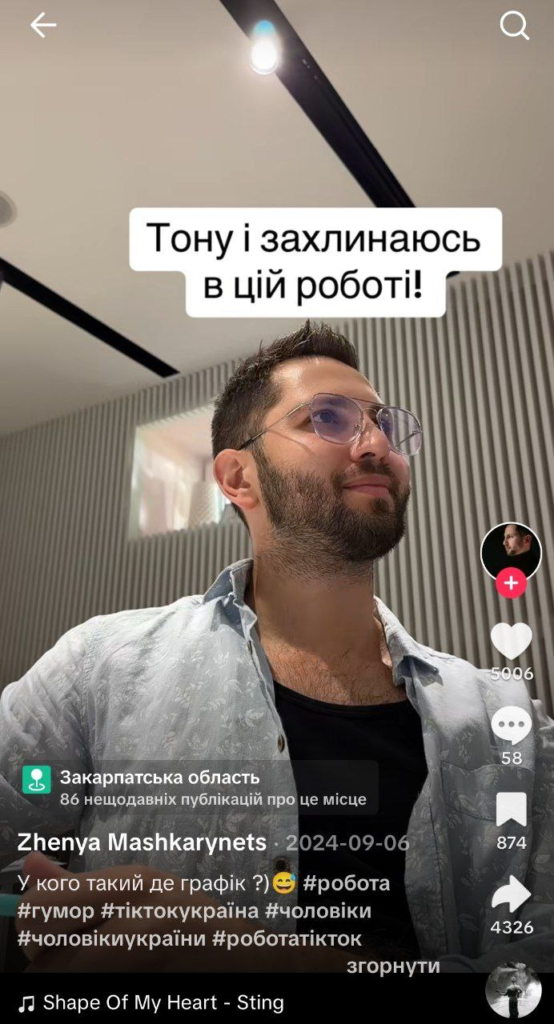


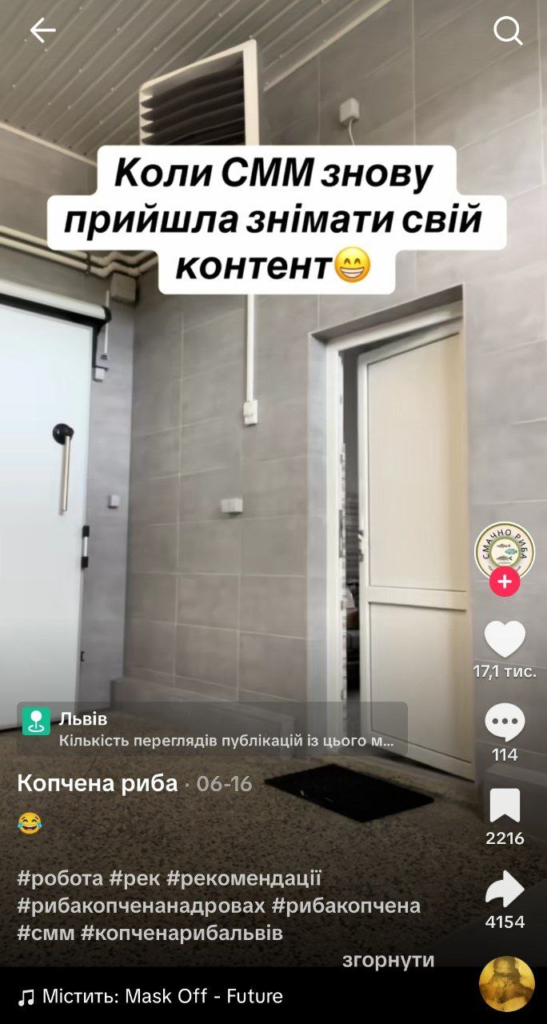
The review of troubles has already shown where everyone most often falls and why SEO is not a trifle, but part of the strategy. But so that the algorithm does not guess the topic for the sake of it, but clearly reads your intention, there are a few tips that deserve special attention.
TikTok no longer tolerates “guessing”. The algorithm reads the intention from the first three seconds, voice, text in the frame and description. Therefore, the logic is simple:
Before shooting, formulate one clear sentence: “What is this video about?” This phrase will give you natural keywords without spam, without chaos, without stretching the topic.

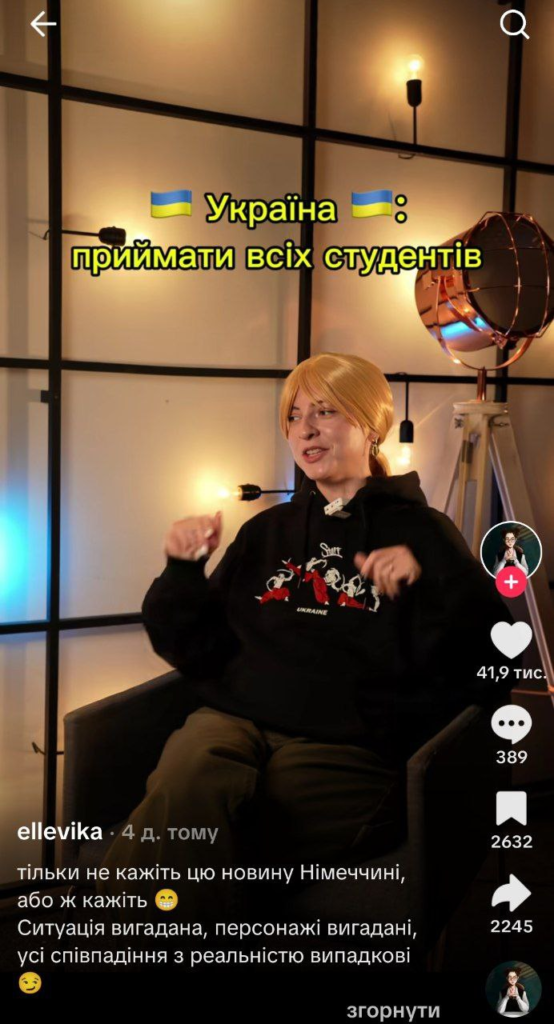
In 2025, the service clearly confirmed: a voice key signal has more weight than a hashtag in the description. ASR reads the voice even without subtitles. Say the topic naturally, don’t throw the key, but weave it into the speech: “Today I will show you how TikTok monetization works in Ukraine…” Even one clear spoken word will have a greater impact on the Interest Graph than three hashtags.
After voice signals, TikTok also checks what is visible on the screen: OCR captures any inscriptions and uses them as a second level of confirmation of the topic. Text in the frame ≠ decor. If you talk about Mediterranean cuisine, and “self-development life hacks” appear on the screen, the algorithm detects the conflict and reduces relevance.
Write the description as a “microguide” with keys. NLP on the platform works like a real search:
Strong description = 1 primary key + 2-5 LSI signals that match what is said in the voice, visible in the text in the frame and shown in the video. The stronger these three levels match, the cleaner the Interest Graph trajectory and the more stable TikTok promotion.
TikTok promotes not “words”, but relevance. The algorithm reacts to how consistent your topic, form and type of submission are. To ensure your videos consistently appear in recommendations, stick to a few must-have principles:
Keywords do not replace content. They enhance it. It is not the set of words that works, but the correspondence between what you show, say, and declare in the description.

Over-optimization seems safe: “if there are more keywords, the promotion works better.” But it’s a trap. When the text turns into a set of repeated formulations, not only is naturalness lost, but also trust in the author.
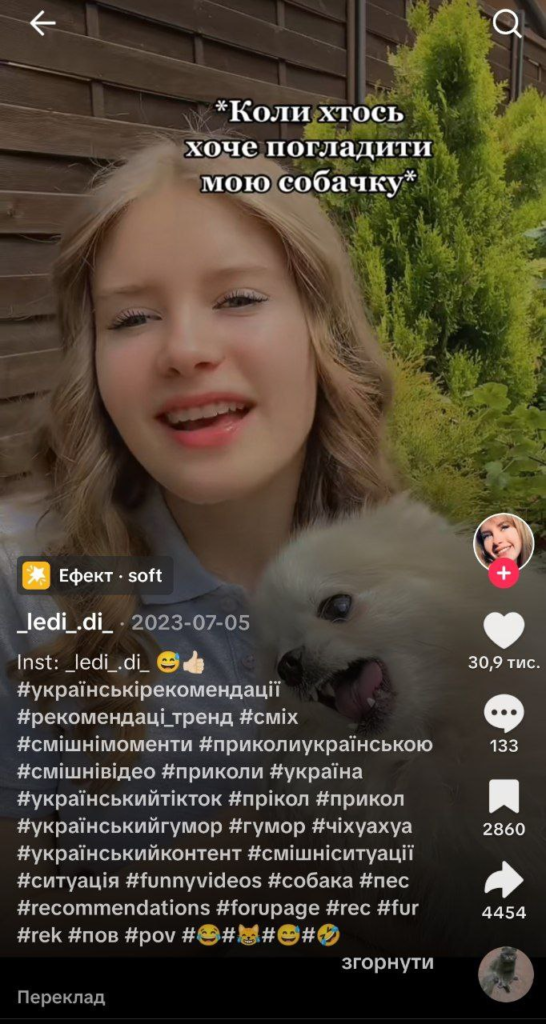

In topics like “TikTok monetization in Ukraine,” where competition is high, and everyone is trying to shoot at the same wording, it is natural thatit becomes an advantage. People feel when the text is alive and when it is stuffed with words “for strength.” To maintain balance:
Over-optimization does not give growth. Its effect is only the impression of “heaviness” and loss of rhythm. Strong text is based not on the number of keywords, but on how softly and precisely you weave them into the content.

TikTok in 2025 does not function like a traditional search engine or a chaotic feed of viral videos. The platform reads videos as a set of data: voice, in-frame text, description, behavioral reactions, format, and context. When these signals are consistent, the system recognizes the topic in the first seconds and gives the video a chance to scale. Consistency, naturalness and accuracy of text signals are the foundation of effective TikTok promotion.