
According to recent observations and research, the marketing funnel is becoming a more flexible system due to changes in buyer behavior and new technologies. It is becoming longer due to multichannel marketing and user personalization, but at the same time it brings higher sales and loyalty. Many experts argue that businesses with cyclical approaches, such as the Loop model, achieve better results through long-term customer engagement, so let’s take a closer look at this.
What is a marketing funnel?
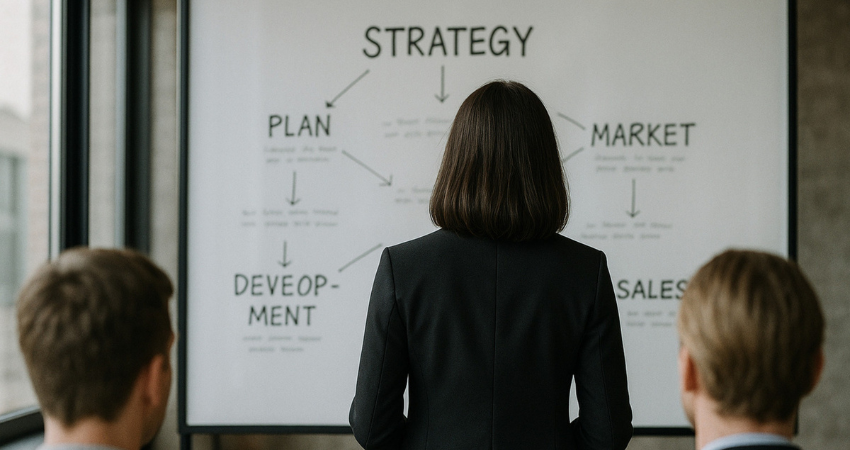
A marketing funnel is a model of the buyer’s journey from first contact to purchase and clear loyalty. It includes concepts such as TOFU (top of funnel), MOFU (middle of funnel), BOFU (bottom of funnel), and the post-sale stage for repeat interactions.
The marketing funnel is not linear: customers “jump” between communication channels, go back, and may pause their interest in a brand, service, or product for a long time. In general, the funnel is a tool for analyzing losses and optimizing content for each stage. In 2026, we see an emphasis on cyclicality: after the purchase, the customer’s journey does not end, but moves into new loops of interaction to further reinforce emotions, trust, and purchases.
Why funnels are getting longer in 2026
Buyers now often research through AI search, reviews, and videos, which adds stages and stretches the cycle. Platform algorithms do not seek to give brands quick sales, because then a significant percentage of advertising purchases from the platform would be lost. Also, algorithms and people themselves now want to trust the brand through UGC and micro-influencers, to see more “touches” to themselves.
Of course, multichannel complicates the path: whether it’s from TikTok to Instagram Direct, or to chatbots and offline. Also, the AI functions of many platforms insert personalized steps, making the funnel adaptive to your target audience.
Factors of longer funnel effectiveness
Long marketing funnels build real trust, increasing conversion through hyper-personalization. In addition, AI now tracks micro-conversions, predicting churn and adjusting content in real time.
Example: Netflix in marketing. Netflix uses AI (based on deep learning models) for micro-conversions — it tracks whether a user clicked “More” after a recommendation or left the page after 10 seconds.
Forget about direct lines of interaction — Loop marketing shows how effective a real cycle is. You start with expression: you publish something bright that catches the eye and makes people stop. Next comes adaptation — you tailor the offer to the specific needs of the person using data; then expansion — you scale what worked through repeated interactions. And development closes the circle — you analyze what went wrong and do it more effectively next time. Brands with this approach don’t chase quick and small checks, but grow together with customers who want to come back.
Case studies
- Nike: from social media to AR trials and offline.
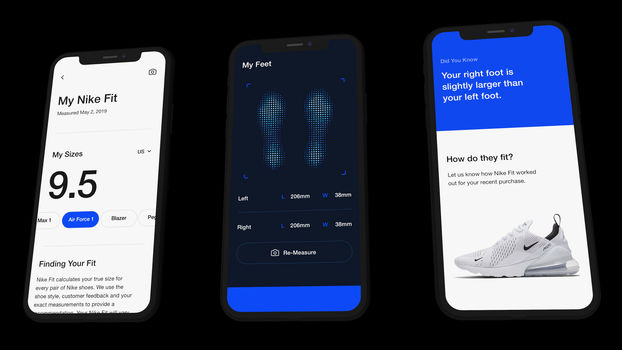
Nike expanded its marketing funnel through the Nike App mobile application by integrating the Loop model.
- At the expression stage, they often had short videos on TikTok and Instagram Reels with running trends and influencers of various scales, generating millions of views.
- Adaptation: AI analyzes preferences (speed, style) and offers personalized sneaker recommendations.
- Expansion — push notifications with AR shoe try-ons on the smartphone camera, which keeps the user in the app.
- Development: after the purchase, the customer receives content about care and all kinds of community challenges that stimulate interaction.
In other words, we can see that the customer journey has become longer, but customers are returning more often and spending more of their attention and money on the brand.
2. Rozetka: local retail with chatbots and reviews.
Ukrainian retailer Rozetka is also adapting its marketing funnel for everyday purchases by integrating Loop.
Expression — advertising on Instagram and Google with UGC videos of real purchases.
Adaptation — chatbots offer alternatives based on budget and reviews based on views.
Expansion — email notifications and messenger mailings with product usage tips and discounts for the next shopping cart.
Development — recommendations for potential Amazon-style accessories that may be of interest for the loyalty cycle.
3. Salesforce: AI agents for B2B lead generation.
Salesforce has optimized the CRM sales funnel by adding Loop for complex B2B deals.
- Expression — webinars and LinkedIn posts about AI in sales for wide coverage.
- Adaptation — Einstein AI creates personalized demos, adapting the presentation to the industry (e.g., retail or fintech).
- Expansion — automated email chains with case studies that lead to communication.
- Development — post-sales dashboards with analytics for upsells.
The funnel has become longer, but deals are closed more efficiently thanks to a sense of customer care.
Optimization tips for 2026
- Integrate Loop: start with expressive, vivid content, then move on to AI adaptation.
- Track micro-conversions at all stages for real-time adjustments.
- Build cross-channels: social media → website → chat → offline.
- Focus on development: content for post-purchase loyalty.
- Test A/B with a focus on long-term ROAS.
In 2026, longer marketing funnels win by focusing on quality rather than speed: the Loop model turns customers into loyal brand advocates, increasing LTV and business sustainability. Implement these principles now to make your brand or service’s path to sales not only longer but also much more profitable.