
Don't miss interesting news
In the short video format, the rules change faster than the internal “I like it” has time to form. Formats are updated, competition is growing, and attention is compressed. In such conditions, creatives for TikTok Ads cannot be evaluated according to the principle of “it looks beautiful”.
The visual test is more important than subjective sympathy. A video can be neatly shot and look professional, but not read in the feed. The question of how to shoot a creative for TikTok advertising is not about inspiration, but about a verification system. Before launching a budget, it is worth making sure that the video passes the basic criteria for attention.
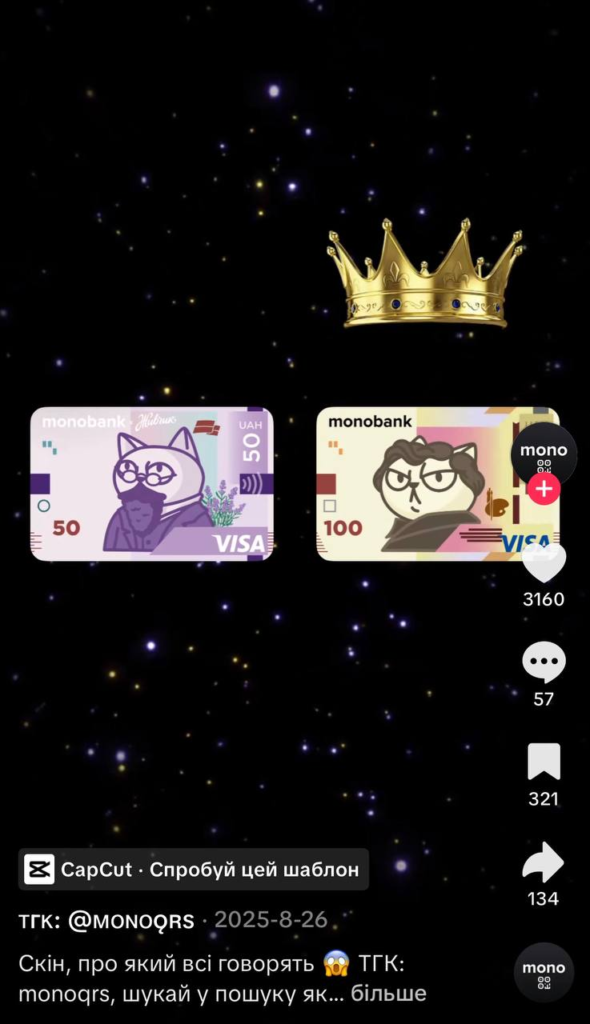
A method of promotion when the intrigue starts, “a recipe that will change your evening” or “how to get a rare skin”, 5-10 seconds of an interesting teaser, transition to TG for details. The first seconds – an event or contrast, a hook in tension “wait, I’ll show you the details now”, human action (cooking with your hands or gameplay, etc.). It is important to keep the focus on one thought, for example: “Do you want a full guide?” – look further and give part of the result for the promise. Next, a clear CTA is a logical step, often it is a “link in bio”. This version of the creative is easily scalable; it is just important to change the intrigue to trends, and if the video has good user retention, TG will catch hot traffic.

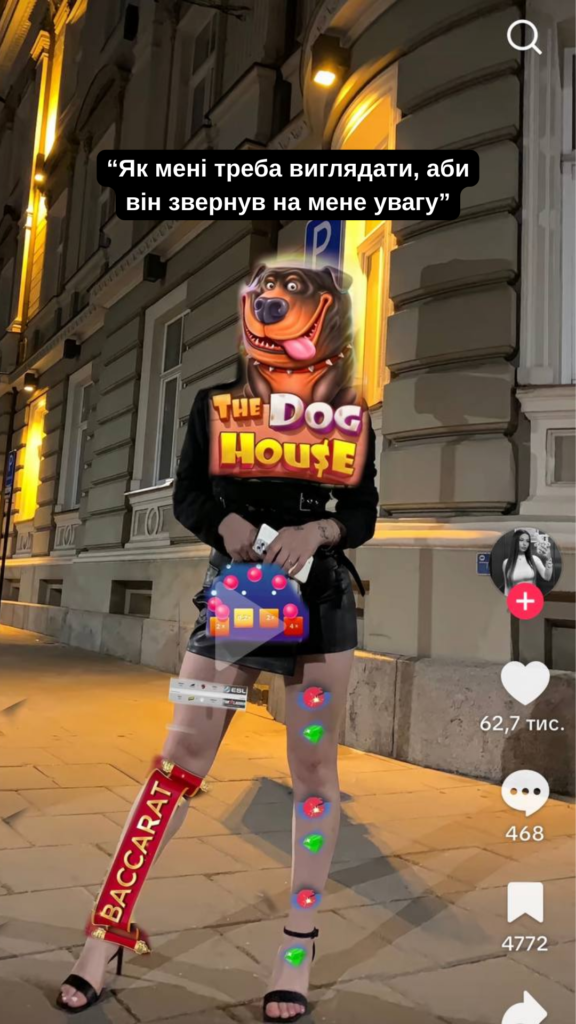
Even an iGaming brand can introduce a reminder of itself organically in memes: for this, you need to be able to adapt “life” humor from the logo; this does not require any active words, hints of “play” or “win”. The first 2 seconds are read as an emotional situation, a hook in the microvoltage of the meme, a human signal through the reaction to the girl’s face, which she first shows. That is, one scene — one vibe. There is no CTA; the algorithm can approve it as organic content, and the chances of the creative being banned are very small.
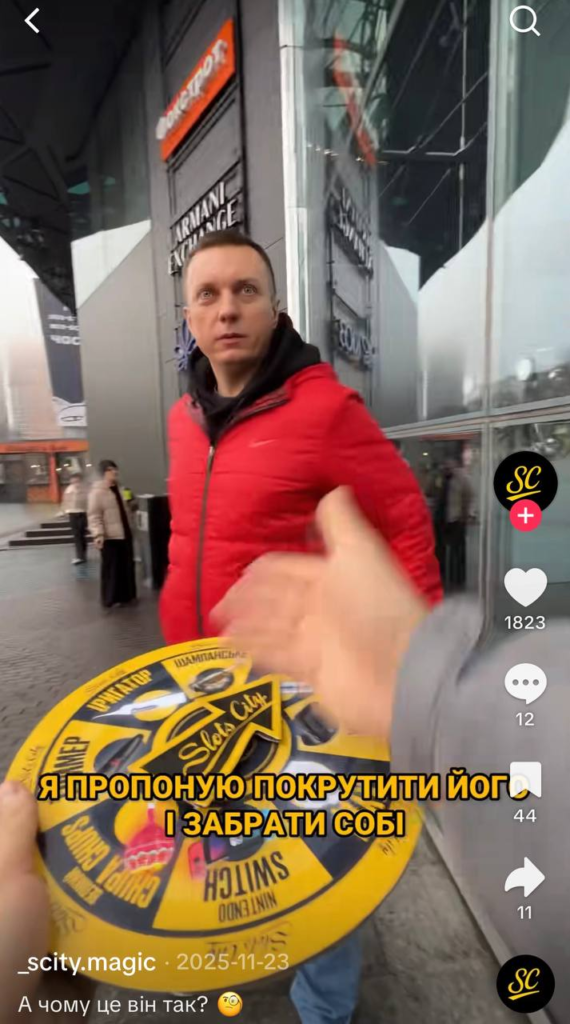
It would seem that it’s just a real-life video: they approach a random person on the street and give them some merch with the brand logo or an ordinary thing with an association, and shoot the reaction without text or a call to action. However, this approach can also have marketing benefits. The start is the intrigue of a “surprise on the street”, a hook in live action and movement. One scene focuses on “get a gift”, then organic brand PR with a possible CTA or a request to subscribe. This is a native format without sales, because TikTok sees its user-generated content, recommends it more widely, and the brand is associated with cool emotions.
The checklist that you will see next will provide a systematic approach to creating creatives that hold attention in the first seconds and maximize conversion without the risk of bans.
The first few seconds of a TT are the cutoff zone, where it is decided whether the video will grab attention or get lost in the feed before the explanation even begins. The brain doesn’t listen to introductions — it reads the visual impulse: movement, contrast, a face, a sharp change of frame, a mistake, or tension. Only after that do the words connect.
When TikTok Ads creatives start with a bang without action, logo, or neutral background, there’s simply no signal to draw attention. A strong start immediately creates a sense of an event, change, or outcome that you want to explore. Quick check:
The answer to how to shoot a TikTok ad creative starts with an early offer. This isn’t a cry for a discount, but a visual promise of the outcome before the explanation: the ending before the process, the error before the analysis, the contrast before the argument.
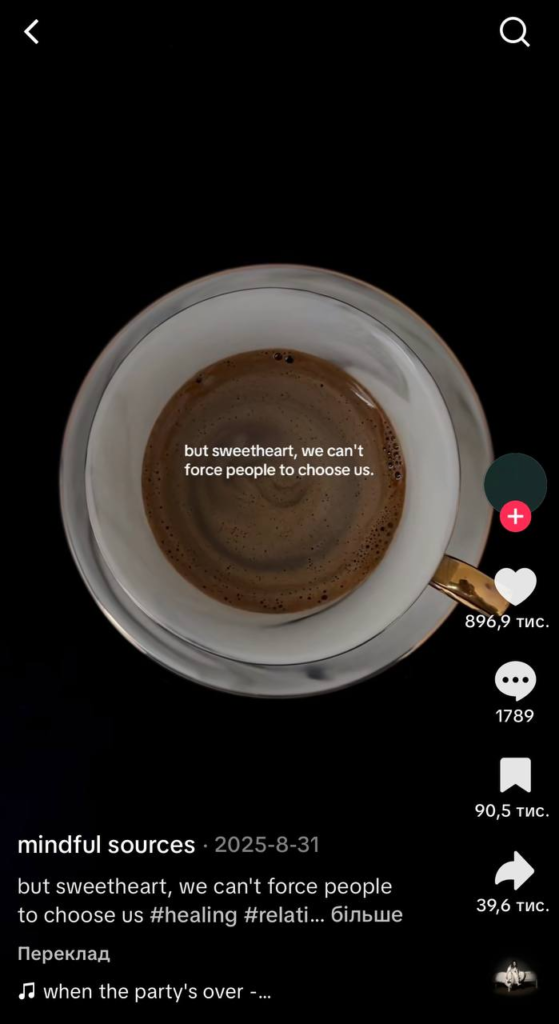
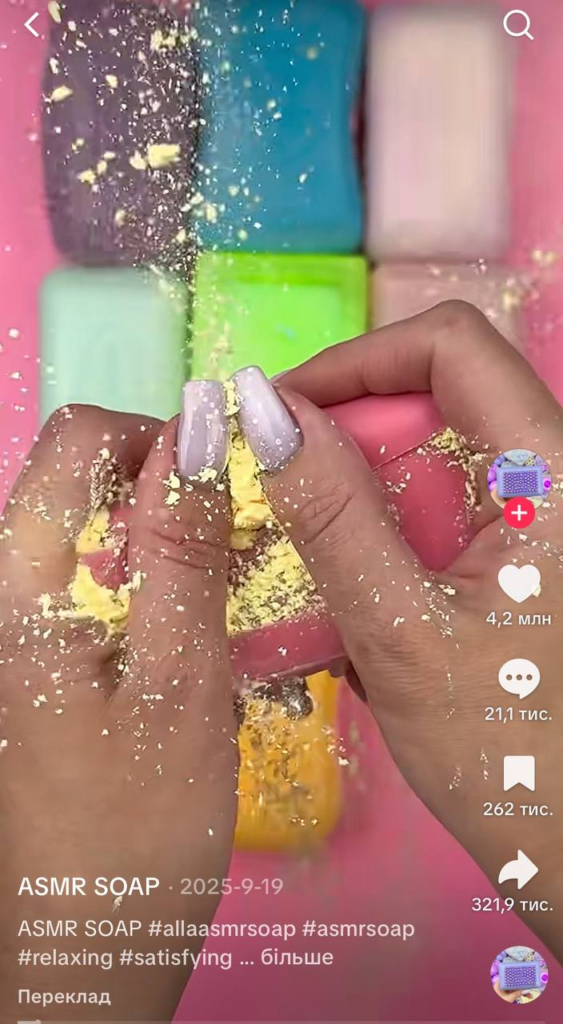
On TikTok, attention is not focused on the phrase but on the movement. The platform is built on an instant visual signal. If the hook is based only on the text or phrase “hello, today I’ll show…”, it is late.
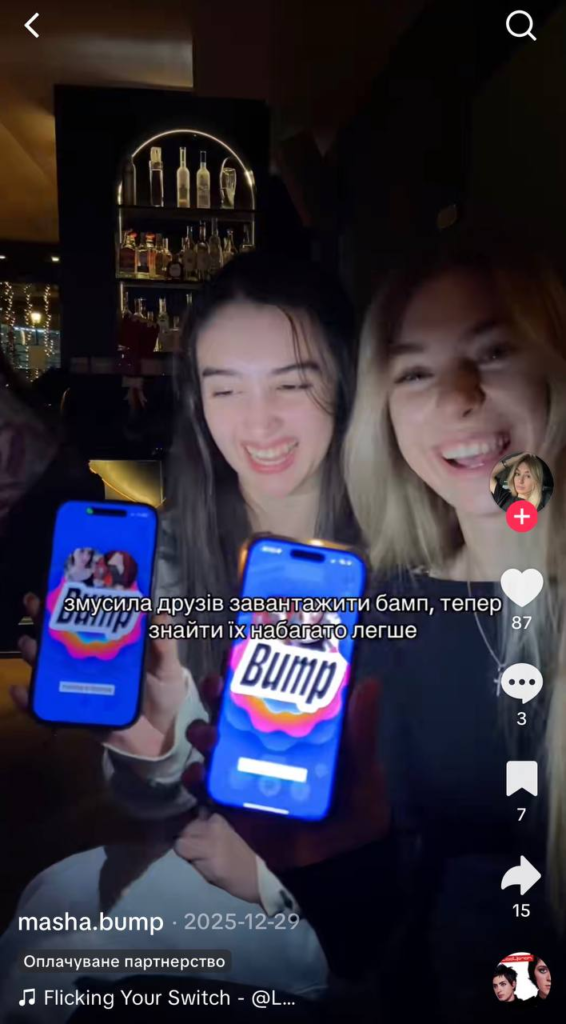
The algorithm reacts to an early signal of interaction. If the first frame does not create an event, contrast, or micro-tension, the video does not get a chance to develop. That is why the best creatives for TikTok do not start with an explanation, but with a moment.
Another example of combining a hook and account promotion is videos that make you want to get stuck, watch, and like. An account from scratch can easily develop thanks to:
This puts pressure on the “sensitivity” of viewers, especially if the words are about trust, betrayal, love, etc.
In the fast scrolling format, it is not a showcase that wins, but live action. Both the algorithm and the audience respond better to what looks like real action, not a polished product shot. Faces, hands, micro-gestures, a process in motion are signals of life that create trust and deprive creatives for TikTok Ads of a sterile advertising tone.
The brain clings to live movement faster than to a static product. When there is a person or at least a process in action in the first seconds, attention is held longer. A shot with a product on a monotonous background is read as a sale, so the defensive reaction is turned on before interest.
Overload kills the effect faster than a weak hook. When you try to show the product, the process, the benefit, and a few more arguments “just in case” in one video, the scene falls apart. The brain remembers one clear idea, not a set of blurred messages. The best creatives for TikTok are based on a simple principle: one scene – one thought.
The test is simple: can you describe the content of the scene in one sentence without additional “and more”?
If the wording is stretched or requires explanation, the thought is blurred. When the scene is based on one action or one change, it is better fixed in memory and does not create chaos. Simplicity here is not simplification, but control of focus.
You can immediately feel in the feed when the material was created for a specific platform, and when it was simply adapted from YouTube, TV, or a production video. The re-shot video has a different tempo, a different intonation, and a different distance from the viewer. It explains instead of showing, and looks “beautifully” edited, but without a lively rhythm.
TikTok-first is not about the name of the format, but about the feeling of nativeness: vertical frame, close distance, natural camera, live reaction, pace that matches scrolling. The secret of how to shoot a creative for TikTok advertising comes down to one question: if you remove the “Advertisement” button, will the video look like organic content?
The user does not want to hear that the product is “convenient” or “high-quality” — he wants to see what exactly will change. Strong creatives for TikTok Ads show the result before explaining it. The frame should immediately signal: this is what will be different. When the result appears only at the end, the video asks for too much patience, and in non-stop scrolling, it simply does not exist.
Test: Is the change visible even before the words? Can you understand in the first seconds what result a person will get?
TikTok Ads creatives break when the ending suddenly turns into a TV commercial. If the CTA changes the tone of the video, trust disappears. A natural continuation of the action works better in the feed, not a forced sale.
The viewer has already made a micro-decision to watch further – it’s important not to ruin this moment. At this point, attention is still fragile, but open. The best TikTok creatives integrate the CTA as a natural step after the value. “See how”, “save”, “take the checklist”, “try” sound like a development of the action. “Buy now” – like an interruption.
Tone control: Does the CTA look like a logical continuation of what has already happened in the frame? Does it suddenly change the tone and turn the live format into a sales pitch?
When it comes to how to shoot a creative for TikTok ads, everything is decided by millimeters. Safe-zone, vertical, text placement are not trifles, but retention factors. If the subtitles climb under the UI, the key action hangs too low, and 9:16 looks like a cropped horizon, users will not even analyze what is wrong.
The format should not cause doubts. A technically clean frame does not interfere with perception, does not create micro-discomfort, and does not drag attention from the main thing. Creatives for TikTok Ads work when the technology is invisible: it does not distract, but enhances focus.
Purity filter: Does nothing climb under the UI? Are the subtitles readable without strain? Does 9:16 look natural, and not like a cropped version of another video?

If each new version requires a complete restart of production, it is not a system; it is improvisation. How to shoot a creative for TikTok advertising without constant reshoots? Put a “skeleton” in it — a structure that can be rebuilt: change the start, promise, demonstration, or ending.
The best creatives for TikTok are not shot anew — they are reassembled, changing several points of influence:
The same frame can give 5–10 variations. This is how system testing and working with audience fatigue are prepared. If the video cannot be rebuilt without a new camera, it is not an Ads structure, but one-time content.
How to shoot a creative for TikTok advertising is not about intuition. The market already shows which structures work. Creative Center, Top Ads, trends are not a place to copy, but a source of patterns: how the start is built, where the result appears, what pace, and what type of hook works. The best creatives for TikTok rarely invent a form from scratch. Instead, they adapt what has already proven its effectiveness.
What is important here is not a specific picture, but the logic of construction. The pattern can be repeated dozens of times: before/after, error, quick result, demonstration in progress. The product changes, but the structure remains.
Question for yourself: can you find a similar format in Top Ads or among the Creative Center trends? Not to copy 1:1, but to confirm that the mechanics themselves are already working in the market.
Working videos do not appear by chance. They are tested before launch: for the first seconds, for focus, for nativeness, and for the ability to scale. Creatives for TikTok Ads work when decisions are made, not “because it’s beautiful”, but because the structure withstands the test of attention.
A strong video is not improvisation, but discipline. It is the ability to read the market, lay down a visual promise of the result, and remove everything unnecessary. The best creatives for TikTok do not convince with words – they show a change in the frame. This is what separates simple videos from those that really fit in the feed and scale without unnecessary costs.